Retaliation at work
Punishing people who speak up guarantees silence. Retaliation harms individuals and lets misconduct persist. What it looks like, and how to prevent it.
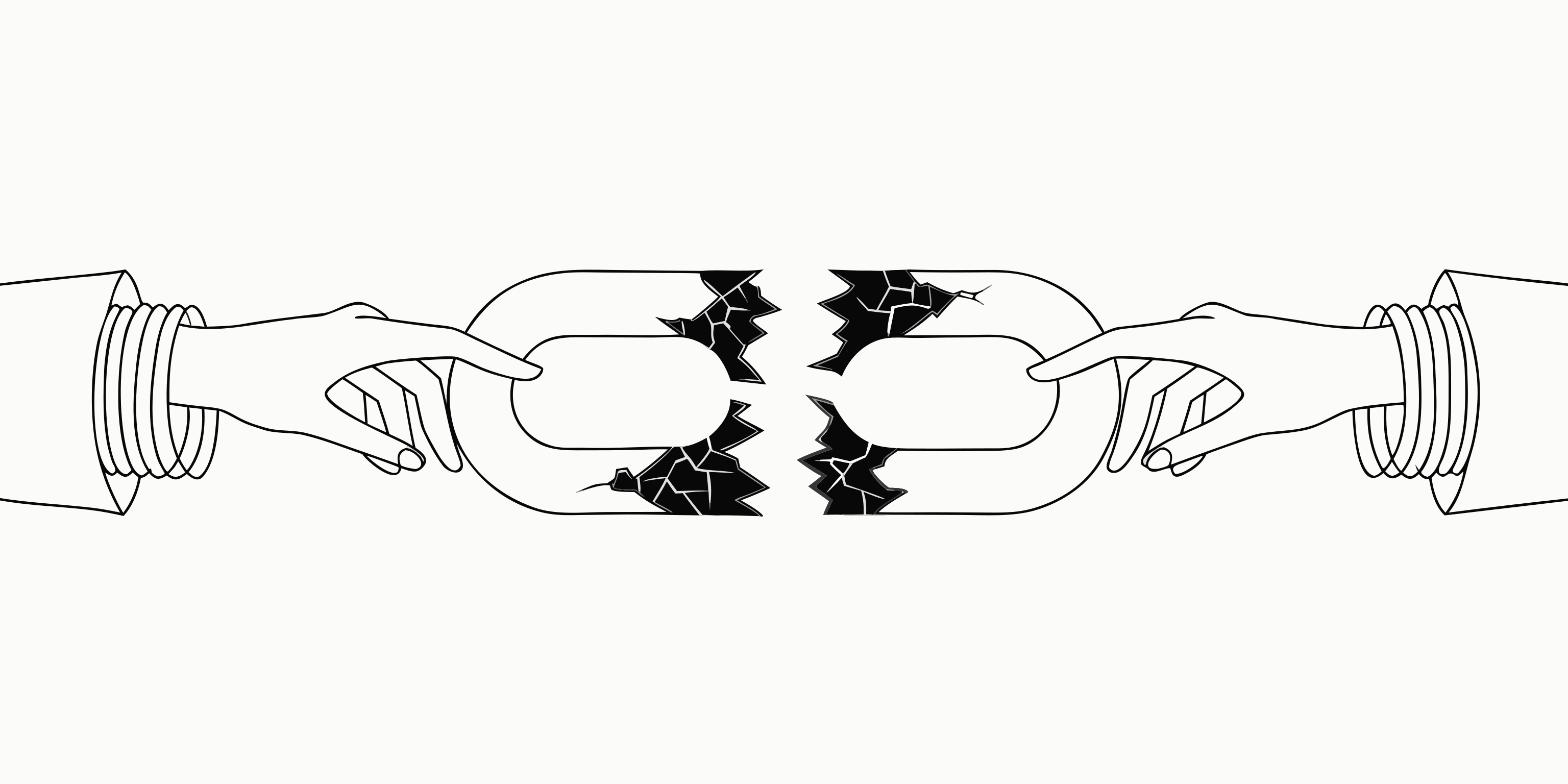
When someone reports harassment or wrongdoing and is punished for it, the message travels fast: stay quiet. Retaliation harms the person who spoke up and quietly protects the misconduct they reported. It is both an ethical failure and, for the organisation, a financial and legal one.
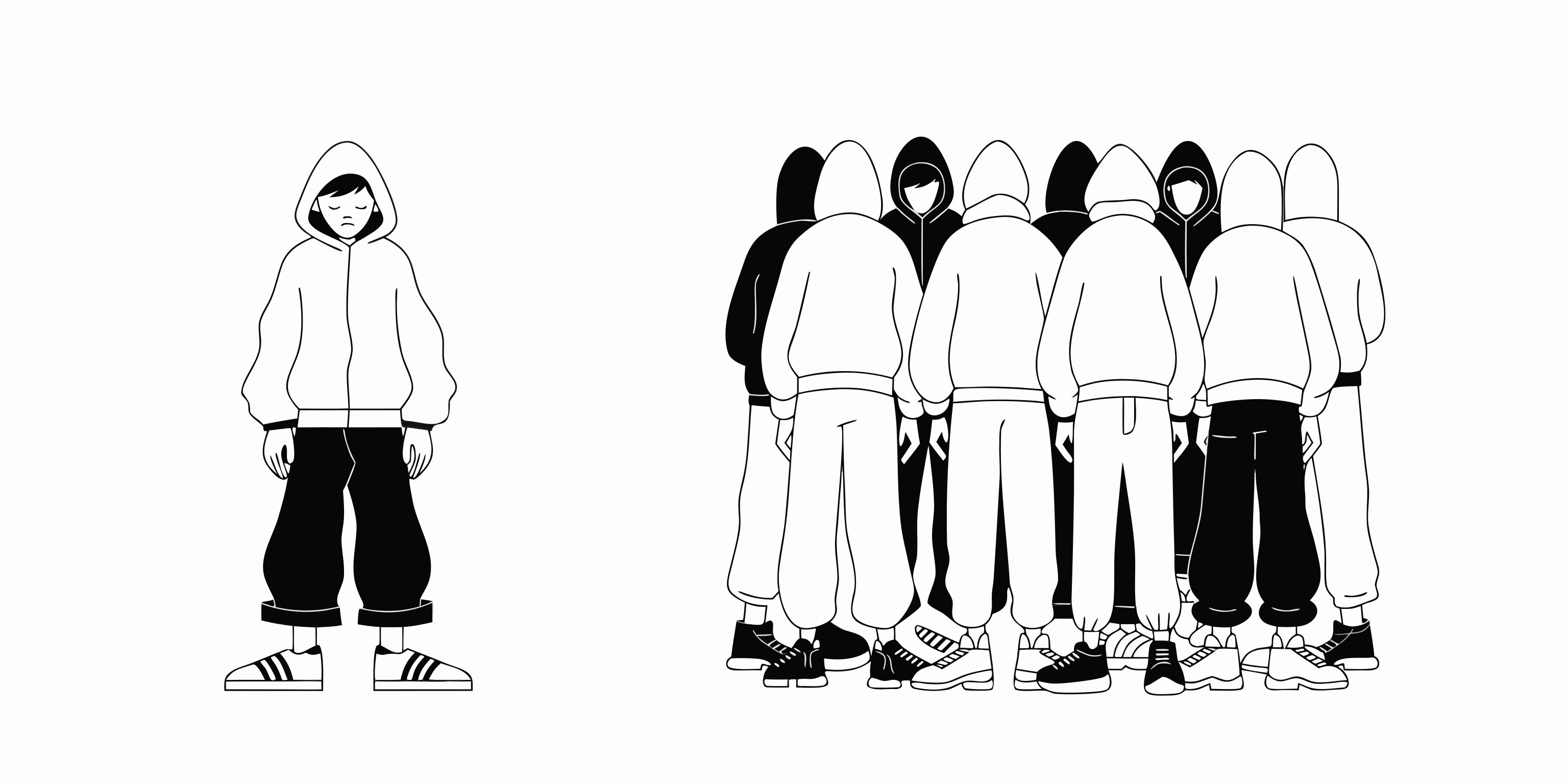
What retaliation looks like
- Isolation and exclusion from work and information.
- Demotion or reassignment to a worse role.
- Sudden negative performance reviews.
- Threats of termination, verbal abuse and intimidation.
- Quiet damage to a person's reputation.
The cost of silence
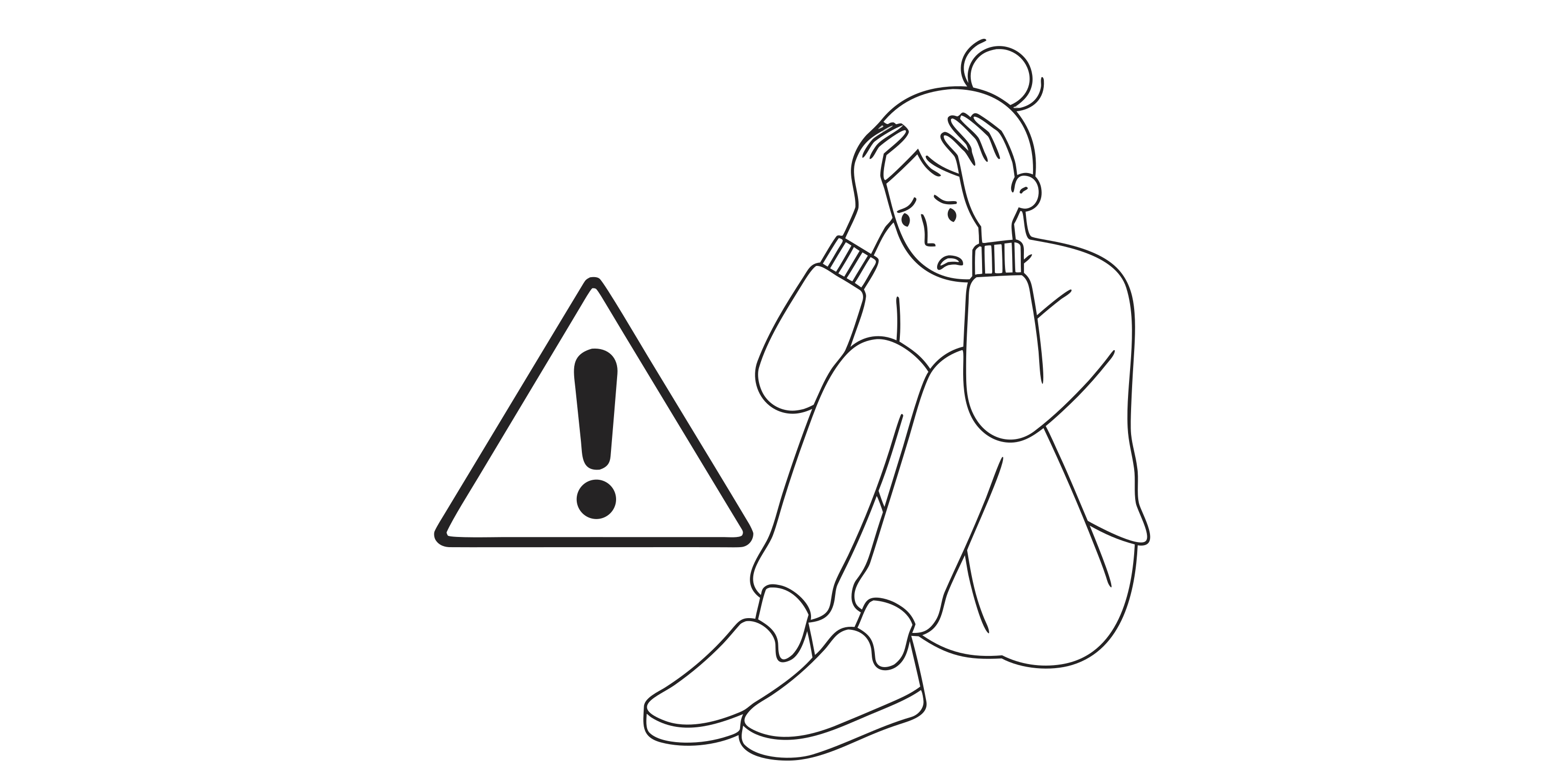
Whistleblowers who are punished carry lasting anxiety and career damage, and the organisation inherits a culture of fear where the next problem stays hidden. Landmark cases, from WorldCom to Boeing, show both sides: the people who spoke up paid a price, and the misconduct they flagged cost far more once it surfaced.
Protecting people who speak up
The remedy is not complicated: strong protection for reporters, more than one confidential way to raise an issue, impartial investigations, and swift action against anyone who retaliates. Handled well, speaking up becomes safe, and problems get fixed while they are still small.
Veridox is built for this: an [anonymous report with a case code](/help/submit-report) so a reporter never has to expose themselves, [reviewers you appoint](/help/appoint-wb-reviewers) to handle cases confidentially, a [way to follow up on a report](/help/check-report-status) without losing anonymity, and an audit log that records how it was handled. It is free for three months for teams of up to five.